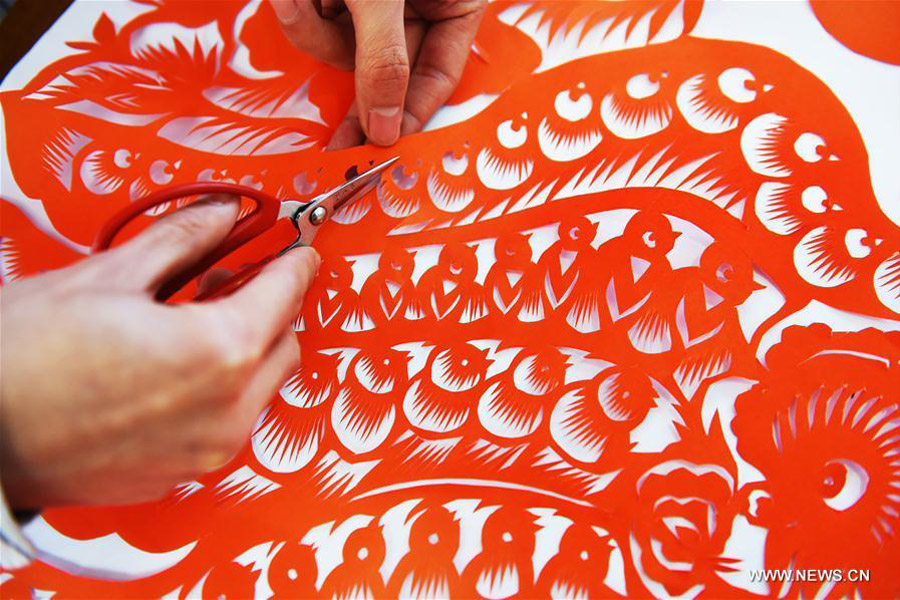
Window Flowers
Introduction
Window flowers, also known as "chuanghua" in Chinese, are a traditional form of papercutting art that plays a significant role in Chinese culture, especially during the Chinese New Year celebrations. They are meticulously crafted paper decorations that are pasted on windows, doors, and other surfaces to convey auspicious wishes and festive cheer. These intricate designs reflect a unique blend of artistic expression and cultural significance, deeply rooted in Chinese heritage.
Historical Background
The craft of papercutting in China dates back over a millennium, with window flowers being one of its most celebrated forms. Initially developed as a folk art, papercutting was embraced by people across various regions of China. The art form flourished during the Tang and Song dynasties and has continued to evolve over centuries. Window flowers became particularly popular during the Chinese New Year, where they serve both decorative and symbolic purposes.
Symbolism and Meaning
Window flowers are rich with symbolism, often depicting themes of prosperity, happiness, health, and longevity. Common motifs include animals such as dragons and phoenixes, plants like peonies and lotuses, and auspicious symbols like the "Fu" character, representing good luck. The choice of motifs is often guided by traditional beliefs and regional customs, and each design element carries specific meanings intended to bring blessings to the household.
Craftsmanship and Techniques
Creating window flowers requires exceptional skill and precision. Artisans employ various techniques to transform sheets of paper into intricate designs. The process begins with selecting a suitable paper, often a vibrant red color that symbolizes good fortune. The paper is then folded and carefully cut using specialized scissors or knives to create symmetrical patterns. This meticulous process demands a steady hand and an artistic eye, as even the slightest error can alter the design's symmetry and meaning.
Modern Adaptations and Cultural Significance
While window flowers remain a traditional art form, they have also adapted to modern times. Contemporary artists and artisans experiment with new themes, colors, and techniques, blending traditional motifs with modern aesthetics. This evolution ensures the continued relevance and appeal of window flowers, allowing them to captivate new audiences and preserve cultural heritage.
In recent years, the popularity of window flowers has extended beyond China, with enthusiasts and collectors worldwide appreciating their intricate beauty and cultural significance. Exhibitions, workshops, and cultural exchanges have further promoted the art of papercutting, fostering a deeper understanding and appreciation of this age-old tradition.








